

To study a writer’s life is not to search for a simple key that unlocks every page they produced. Literature does not function as disguised autobiography, nor can the complexity of a novel, a poem, or an essay be reduced to a sequence of personal events. Yet no major work emerges from abstraction alone. Writers are formed by education, exile, friendships, losses, political climates, intellectual traditions, and private contradictions. Their works carry these pressures—sometimes visibly, sometimes only as structure, silence, or recurring obsession.
Author biography matters because it restores literature to history without imprisoning it there. It reminds readers that books are made by individuals moving through real worlds, not by detached minds floating above culture. At the same time, serious biographical criticism resists the temptation of easy equivalence. A character is not automatically the author, and a confession on the page may be a formal strategy rather than personal disclosure. The relationship between life and work is interpretive, not mechanical.
Life as Context, Not Explanation
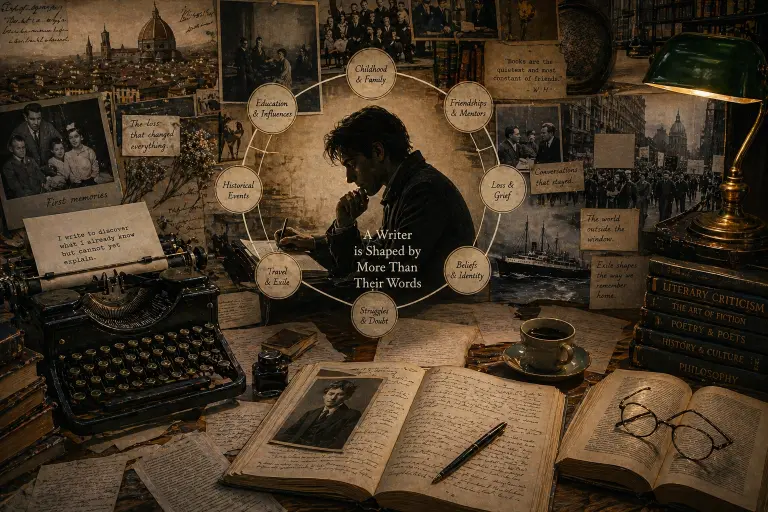
Readers are often tempted to map biography directly onto fiction: to identify the lost lover behind the poem, the childhood trauma behind the protagonist, the political disappointment behind the dystopian ending. Sometimes such connections are illuminating. Just as often, they are reductive.
The value of biography lies not in explanation but in context. It helps situate a writer inside networks of influence—familial, cultural, philosophical, and institutional. Knowing that a novelist lived through war may deepen our reading of instability, but it does not mean every fragmented narrative is a literal transcription of trauma. Biography opens questions; it should not close interpretation.
This distinction protects both literature and criticism. The work remains formally autonomous, while the life remains historically meaningful without becoming a simplistic decoding device.
Moments That Leave Permanent Marks
Every life contains experiences that alter perception irreversibly. For writers, these moments often become structural rather than merely thematic. Migration may shape narrative fragmentation. Grief may produce silence rather than confession. Political exile may transform how memory and belonging are represented across decades of work.
Such moments do not always appear directly in content. Their influence can be formal: interrupted chronology, unstable narrators, obsessive return to certain images, repeated distrust of institutions. Readers searching only for autobiographical parallels often miss the deeper imprint left by experience.
The biography of a writer therefore includes not only what happened, but how perception changed afterward.
Education, Reading, and Intellectual Formation
No writer invents themselves in isolation. Every literary voice emerges within a conversation already underway. Schools, mentors, libraries, philosophical traditions, and rival authors all participate in the making of style. Influence is not secondary to originality; it is one of its conditions.
A poet shaped by classical rhetoric will write differently from one formed through oral storytelling traditions. A novelist immersed in philosophy may organize narrative around moral argument rather than event. Even rejection is a form of inheritance: writers often define themselves against the traditions they refuse.
Reading biography means tracing these intellectual lineages. It reveals literature not as solitary genius, but as a field of dialogue across generations.
Institutions such as the British Library, the Library of Congress, and literary archives preserved through JSTOR provide essential access to letters, manuscripts, journals, and critical records that allow readers to understand how personal history and intellectual development shape major literary works.
Private Life and Public Reputation
Many writers become cultural symbols long before readers encounter the work itself. Reputation shapes interpretation. The image of the isolated genius, the political dissident, the tragic poet, or the scandalous modernist often becomes inseparable from the texts they produced.
This mythology can both illuminate and distort. Public narratives may preserve genuine tensions, but they can also simplify complex lives into convenient symbols. Writers become easier to market when they are transformed into stories.
Serious biography resists this simplification. It distinguishes between archive and legend, between documented contradiction and retrospective invention. Sometimes the most important critical work is undoing the mythology that accumulated around the author.
Historical Pressure and Literary Form
Writers do not stand outside history. Revolutions, censorship, war, economic instability, colonial violence, and social transformation all shape not only what can be written, but how writing must operate to survive.
Under censorship, metaphor may become necessity rather than style. Under exile, language itself may become unstable. Under rapid modernization, nostalgia can function as both resistance and illusion. Historical pressure enters literature not only as topic, but as formal adaptation.
To separate author biography from political context is to misunderstand both. Lives unfold within systems, and literary form often records that pressure more honestly than direct statement.
The Distance Between the Person and the Voice
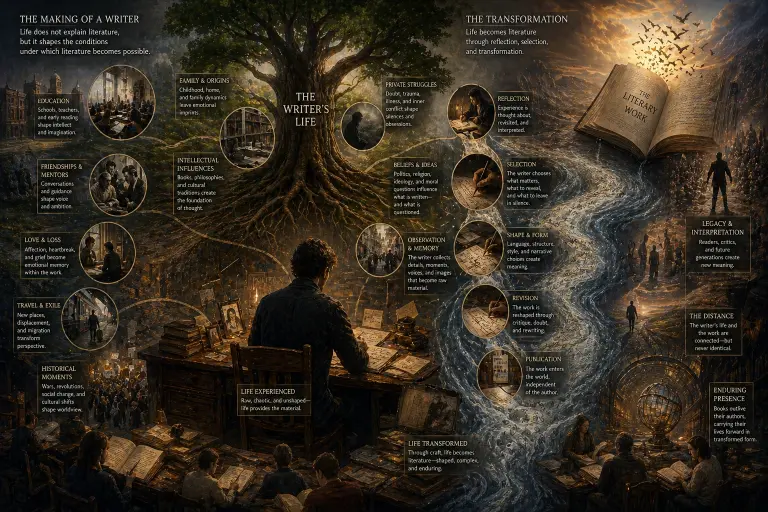
One of the most important lessons of literary biography is that the speaking voice of a text is not identical to the person who wrote it. First-person narration invites confusion. Readers often assume confession where there is construction, sincerity where there is strategy.
Writers create voices, and those voices may exaggerate, conceal, invent, or contradict private reality. Sometimes the most intimate writing is the most carefully artificial. Sometimes emotional distance produces greater truth than direct testimony.
This gap is not deception—it is art. Biography becomes richer when it recognizes the difference between lived experience and literary transformation.
Patterns Across a Body of Work
A single text may reveal echoes of a life, but a career reveals patterns. Themes return. Certain conflicts refuse resolution. Moral questions evolve but do not disappear. Across decades, the relationship between the writer and their own obsessions becomes visible.
Early works may dramatize ambition; later works may return to memory, regret, or historical responsibility. Formal experimentation may increase or narrow. What appears accidental in one novel becomes unmistakable across ten.
Biography gains real interpretive force here—not in isolated parallels, but in continuity. It reveals a writer not as a fixed identity, but as an ongoing negotiation between experience and expression.
Why This Perspective Still Matters
In contemporary reading culture, biography often appears in extremes: either total dismissal (“the text alone matters”) or total reduction (“the work is just the author’s life”). Both positions are inadequate. Literature exists between those poles.
Understanding writers historically matters because literature participates in real social life. It is shaped by education, institutions, exclusion, privilege, geography, and political force. Ignoring biography risks turning literature into abstraction without consequence.
At the same time, preserving distance matters because imagination exceeds documentation. Writers transform life into forms that cannot be reduced to fact. That transformation is where literature becomes more than record.
Continue Exploring Literary Lives
If you are interested in how biography shapes interpretation, you may also explore our essays on narrative memory, symbolic inheritance, and the relationship between historical experience and recurring themes across major literary traditions.
Readers drawn to deeper contextual analysis may also revisit our long-form studies of authorial voice, literary canon formation, and the hidden dialogue between personal history and public writing.
Frequently Asked Questions
Can biography fully explain a literary work?
No. Biography provides context, not total explanation. A work is shaped by life, but also by form, imagination, and artistic intention that exceed direct personal experience.
Why are letters and journals important for literary study?
They reveal intellectual development, private contradictions, and historical context that help readers understand how a writer’s perspective evolved over time.
Should personal flaws affect how we read major writers?
They should inform interpretation, not automatically determine value. Serious criticism can acknowledge ethical complexity while still engaging formal and artistic significance.
What is the danger of reading fiction as autobiography?
It reduces literature to evidence rather than art. Characters and narrators are constructed voices, not transparent reflections of the author’s private life.
Reviewed for editorial quality, historical accuracy, and literary integrity.
Conclusion: Lives That Continue Through Language
The connection between writers and their works is never perfectly visible. It moves through influence, silence, revision, memory, and formal choice. Sometimes it appears directly; more often, it survives as pressure beneath the surface of the text.
To study author biography seriously is not to search for definitive answers, but to widen interpretation. It allows readers to see literature as part of lived history—shaped by education, conflict, affection, exile, and the stubborn persistence of certain questions across a lifetime.
Books outlast the lives that produced them, but they continue carrying those lives forward in transformed form. In that tension between person and page, literature remains both intimate and unfinished, always asking to be read again with greater attention.

Bibliographic Foundation
This analysis was conducted under the Sanctum's methodological rigor, utilizing exegetical protocols grounded in universal heritage repositories and documented preservation archives.
View Authority FoundationsAnalytical Recommendations
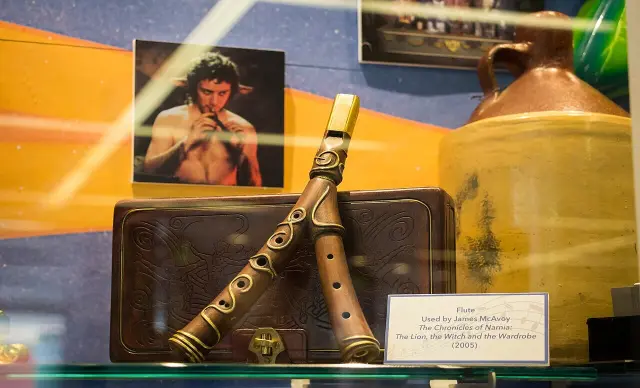
The Chronicles of Narnia: A Literary Architecture of Meaning, Myth, and Moral Imagination
Few works of twentieth-century literature have achieved the rare balance of popular enchantment and intellectual endurance quite like The Chronicles of Narnia.
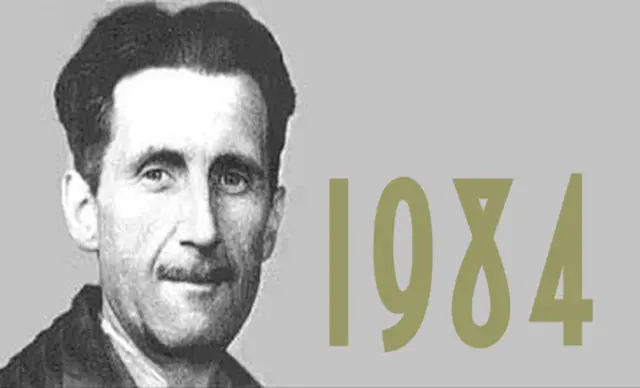
1984: Power, Language, and the Architecture of Psychological Domination
Few novels have entered the cultural bloodstream with the enduring force of Nineteen Eighty-Four. Frequently invoked in political rhetoric and popular discourse, the book is often reduced to a set of familiar images: omnipresent surveillance, totalitarian authority, the erasure of privacy.
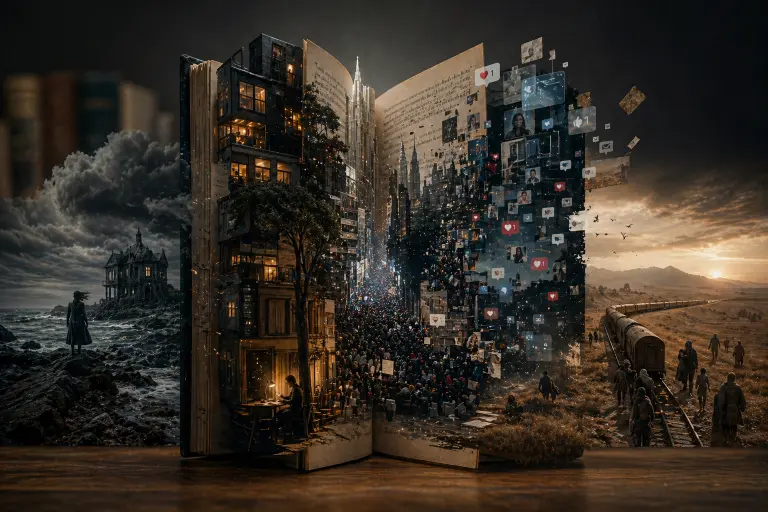
Fiction After Stability: How the Contemporary Novel Reflects Fragmented Consciousness
The contemporary novel no longer asks only what stories should be told—it asks what form can still contain modern consciousness. In an age shaped by digital exposure, ecological dread, fractured identity, migration, and the collapse of stable public narratives, fiction has been forced to renegotiate its own architecture. The result is not a single literary movement, but a series of formal tensions: between confession and invention, intimacy and performance, realism and surrealism, memory and algorithm, national history and displaced belonging.