Thematic Analysis: Unpacking Core Concepts
Overview
A deep dive into the underlying ideas and moral questions explored within major literary works.
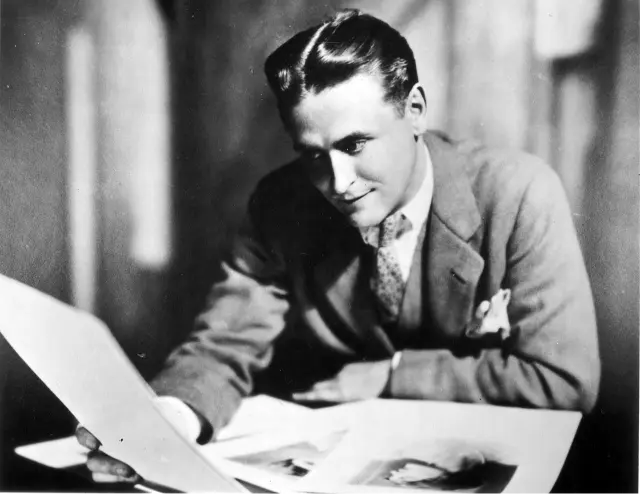
The Great Gatsby: Desire, Illusion, and the Fragile Architecture of the American Dream
Few works of twentieth-century literature have achieved the rare balance of popular enchantment and intellectual endurance quite like The Chronicles of Narnia.
Read Analysis →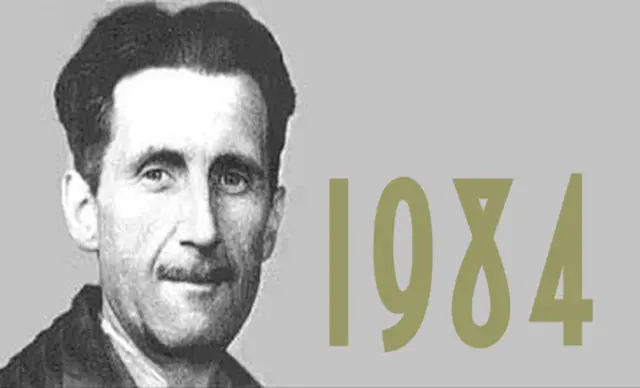
1984: Power, Language, and the Architecture of Psychological Domination
Few novels have entered the cultural bloodstream with the enduring force of Nineteen Eighty-Four. Frequently invoked in political rhetoric and popular discourse, the book is often reduced to a set of familiar images: omnipresent surveillance, totalitarian authority, the erasure of privacy.
Read Analysis →
The Little Prince: A Philosophy of Tenderness
Few works of modern literature occupy such a paradoxical space in cultural memory as The Little Prince. It is frequently categorized as a children’s tale, gifted to young readers with the assumption of simplicity, yet it is quietly revered by adults as a meditation on loss, love, and moral perception.
Read Analysis →
The Chronicles of Narnia: A Literary Architecture of Meaning, Myth, and Moral Imagination
Few works of twentieth-century literature have achieved the rare balance of popular enchantment and intellectual endurance quite like The Chronicles of Narnia.
Read Analysis →
The Lord of the Rings: Mythopoesis, Power, and the Theology of Hope
ew works of modern literature have constructed a moral universe with the depth and coherence of The Lord of the Rings. Frequently remembered for its epic battles, vast geography, and mythic gravitas, the narrative resists reduction to spectacle alone. Beneath its grand scale lies a disciplined ethical inquiry into power: how it seduces, how it corrodes intention, and how resistance often emerges not from heroic exceptionalism, but from ordinary fidelity to what is small, local, and fragile.
Read Analysis →