
Periods & Movements: Contextualizing Literary Eras
Overview
Explore the vast timeline of literature, examining major cultural periods and movements.
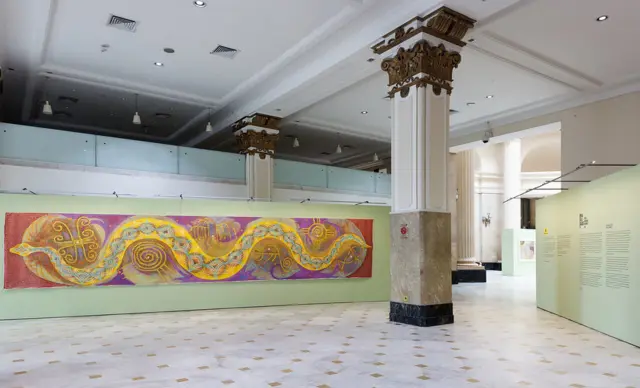
Postmodernism and the Collapse of Grand Narratives: Irony, Fragmentation, and the Play of Meaning
Modernism and the Wreckage of Certainty: Literature in the Age of Fractured Time. Literary modernism did not arise as a stylistic fashion. It emerged as a philosophical rupture. The early twentieth century confronted writers with a world whose inherited frameworks of meaning had begun to fail under the pressure of unprecedented historical shocks. Industrial acceleration, mechanized warfare, the collapse of empires, and the erosion of religious and social certainties produced not merely political instability, but epistemic disorientation.
Read Analysis →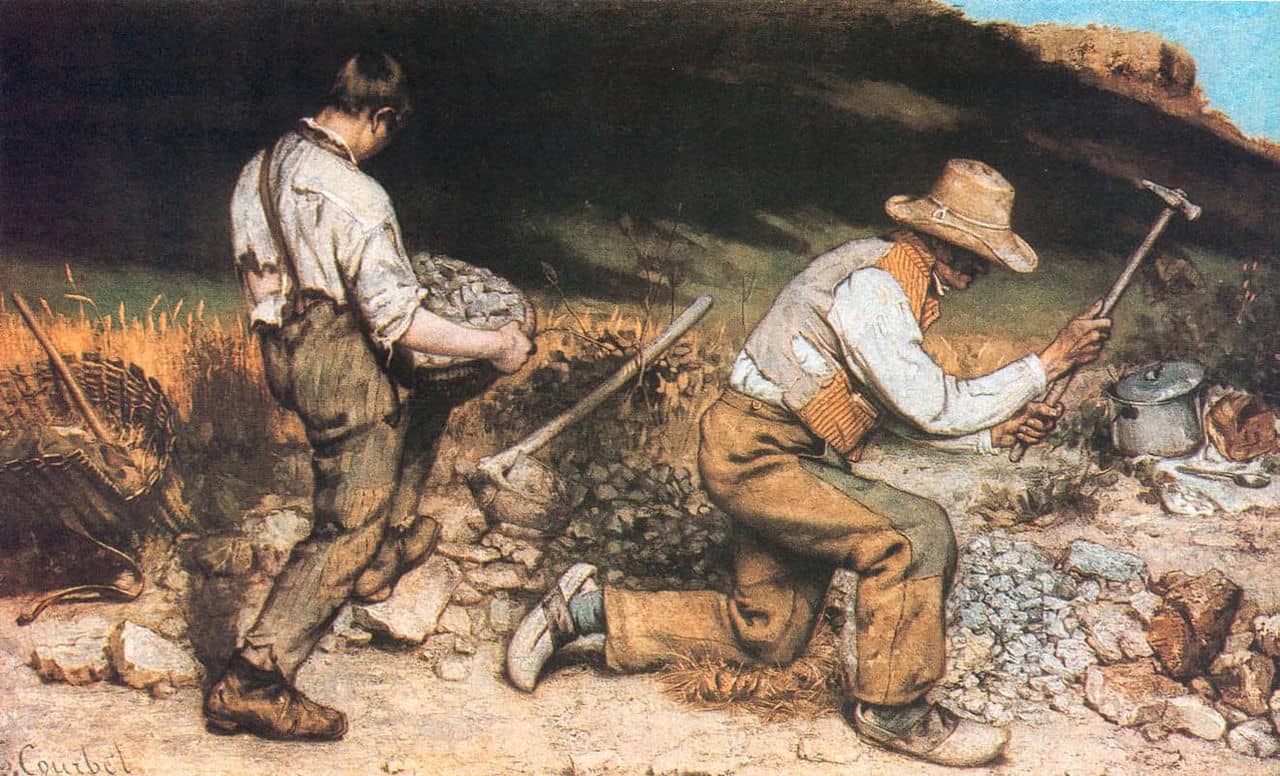
Realism and the Discipline of the Ordinary: Literature in the Age of Social Visibility
Realism and the Discipline of the Ordinary: Literature in the Age of Social Visibility. If Romanticism elevated the inner world and imagination as a response to mechanized reality, Realism emerges as a corrective movement—one that redirects attention outward, toward the material, social, and economic conditions shaping human existence. Far from a rejection of depth, Realism represents a reorientation of it. It insists that meaning is not found only in transcendence or subjective intensity, but in the structures of everyday life: work, class, institutions, and the quiet pressures of social expectation.
Read Analysis →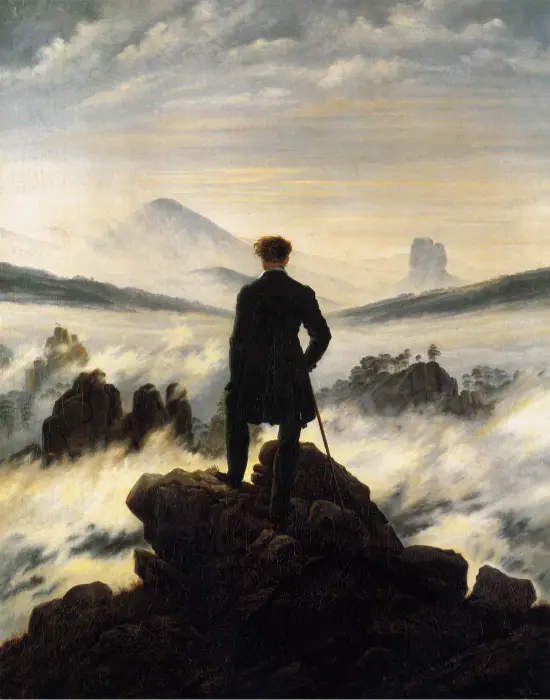
Romanticism and the Rebellion of the Inner World: Imagination, Nature, and the Refusal of Mechanized Reality
Romanticism and the Rebellion of the Inner World: Imagination, Nature, and the Refusal of Mechanized Reality. If literary modernism represents the fracture of certainty, Romanticism represents the refusal of its premature consolidation. Emerging in the late eighteenth and early nineteenth centuries, Romanticism was not merely a stylistic shift but a profound philosophical rebellion against the accelerating rationalization of human life. It arose in response to the Enlightenment’s elevation of reason as the primary arbiter of truth and the Industrial Revolution’s transformation of nature into resource, labor into mechanism, and time into measurable productivity.
Read Analysis →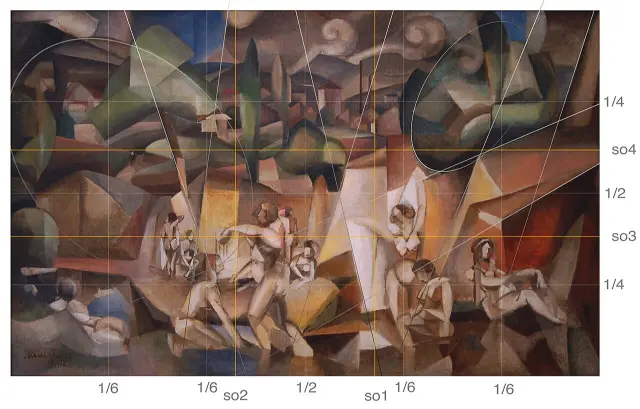
Modernism and the Wreckage of Certainty: Literature in the Age of Fractured Time
Modernism and the Wreckage of Certainty: Literature in the Age of Fractured Time. Literary modernism did not arise as a stylistic fashion. It emerged as a philosophical rupture. The early twentieth century confronted writers with a world whose inherited frameworks of meaning had begun to fail under the pressure of unprecedented historical shocks. Industrial acceleration, mechanized warfare, the collapse of empires, and the erosion of religious and social certainties produced not merely political instability, but epistemic disorientation.
Read Analysis →