

Few works of modern literature have constructed a moral universe with the depth and coherence of The Lord of the Rings. Frequently remembered for its epic battles, vast geography, and mythic gravitas, the narrative resists reduction to spectacle alone. Beneath its grand scale lies a disciplined ethical inquiry into power: how it seduces, how it corrodes intention, and how resistance often emerges not from heroic exceptionalism, but from ordinary fidelity to what is small, local, and fragile.
At its core, the work examines the paradox of power as a tool that promises protection while quietly demanding surrender of moral agency. The central conflict is not merely between opposing armies, but between rival conceptions of authority: domination through force versus stewardship through restraint. The tragedy of Middle-earth does not arise solely from external evil, but from the perennial temptation to answer violence with control.

Power as Corrosive Instrument
The Ring is not simply a weapon; it is an ethical technology. Its function is not limited to amplifying strength, but to reorganizing desire. Those who encounter it are not compelled through coercion alone; they are seduced through the promise of efficacy. The Ring offers a shortcut around moral complexity. It proposes that ends can be secured without bearing the weight of means.
This promise reveals the deeper structure of corruption in Tolkien’s world. Power does not merely overwhelm the will; it reshapes it. Characters do not fall because they are weak in isolation, but because they imagine themselves strong enough to master what is structurally designed to master them. The illusion of control becomes the entry point of domination.
The ethical insight here is not that power is inherently evil, but that certain forms of power demand complicity with their own logic. To wield them is already to concede something of one’s moral independence.
The Quiet Heroism of the Ordinary
One of the most radical features of the narrative is its refusal to center heroism in traditional forms of grandeur. The fate of the world is entrusted not to kings alone, but to figures defined by smallness—by limited ambition, attachment to home, and resistance to abstraction. Their strength lies not in conquest, but in endurance.
This quiet heroism reconfigures ethical value. Courage is not measured by dominance over others, but by fidelity to one’s limits. The narrative suggests that the capacity to resist corruption is often inversely related to the desire for power. Those least tempted by domination are most capable of bearing the burden of resisting it.
This inversion challenges modern heroic paradigms. It proposes that moral integrity flourishes not in exceptional willpower alone, but in practices of humility, companionship, and remembrance of what is worth preserving.
Landscape as Moral Memory
The geography of Middle-earth is not decorative. Landscapes function as repositories of memory, bearing the traces of both loss and endurance. Ruins speak of forgotten greatness; forests preserve rhythms older than conquest; cultivated lands embody continuity through care. Space is not neutral; it is ethically charged.
This moral topography shapes the narrative’s conception of stewardship. To inhabit a place is to enter into a relationship with its history. Destruction is portrayed not merely as physical devastation, but as erasure of memory. Conversely, preservation is not nostalgia, but ethical attention to continuity.
The journey through these landscapes becomes a passage through layered time. Characters are not simply moving through space; they are moving through accumulated meaning. The environment itself becomes a moral witness, reminding the traveler that actions are inscribed into the world they traverse.
Friendship as Ethical Infrastructure
While epic narratives often foreground solitary heroism, The Lord of the Rings constructs friendship as an ethical infrastructure rather than a narrative embellishment. Companionship is not sentimental decoration; it is the condition under which moral endurance becomes possible. Isolation accelerates corruption. Relationship interrupts it.
The narrative repeatedly shows that resolve is sustained through shared burden. Loyalty functions as a form of moral reinforcement, anchoring individuals when personal will falters. In this sense, friendship is not merely emotional support; it is a practice of resistance. It prevents the individual from becoming the sole arbiter of their own justification.
This relational ethics resists modern fantasies of autonomous heroism. It insists that moral perseverance is collective labor. One resists corruption not alone, but within networks of care that distribute vulnerability rather than deny it.
Time, Loss, and the Ethics of Letting Go
A persistent undercurrent of melancholy runs through the narrative. Victory is achieved, but not without irreversible loss. The world that is saved is not identical to the world that existed before the conflict. Certain ages end. Certain beings depart. Preservation does not mean stasis; it entails acceptance of change.
This ethic of letting go resists triumphalism. The narrative does not promise restoration of an unbroken past. It frames renewal as continuity through transformation rather than return to origin. The sadness that permeates the ending is not defeat, but recognition that moral action occurs within time, and time extracts its cost.
Such an ending refuses the fantasy of perfect closure. It offers instead a sober hope grounded in endurance: the world continues, not because loss has been undone, but because care persists despite loss.
Why The Lord of the Rings Endures
The endurance of The Lord of the Rings lies in its articulation of a moral imagination that resists both cynicism and naïve optimism. The narrative does not deny the reality of corruption; it situates it within a broader ethical ecology in which resistance remains possible, though never without cost.
Readers return not merely for escapism, but for orientation. The story offers a vocabulary for thinking about power, humility, loss, and fidelity in a world where moral clarity is often obscured by complexity. Its relevance persists because the tensions it explores are structural, not circumstantial.
Conclusion: The Courage of Restraint and the Work of Care
The Lord of the Rings is often remembered for its battles and mythic scale. More accurately, it is a sustained meditation on restraint as a form of courage. The most consequential act in the narrative is not conquest, but refusal—the refusal to dominate even when domination promises safety.
In this vision, ethical life is not defined by spectacular gestures alone, but by the quiet discipline of care: tending what is fragile, honoring what is inherited, and resisting the seduction of power that asks us to become what we oppose.

Bibliographic Foundation
This analysis was conducted under the Sanctum's methodological rigor, utilizing exegetical protocols grounded in universal heritage repositories and documented preservation archives.
View Authority FoundationsAnalytical Recommendations
Modernism and the Wreckage of Certainty: Literature in the Age of Fractured Time
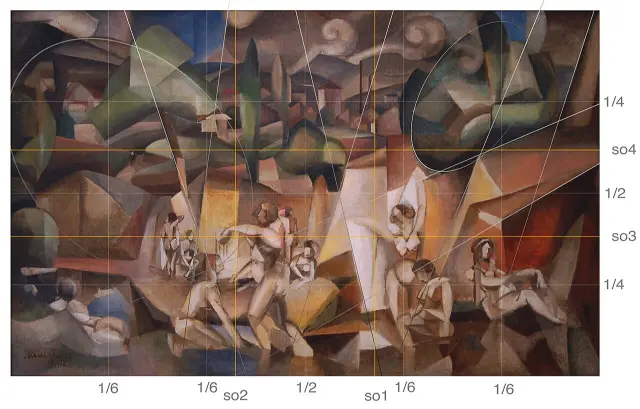
Modernism and the Wreckage of Certainty: Literature in the Age of Fractured Time. Literary modernism did not arise as a stylistic fashion. It emerged as a philosophical rupture. The early twentieth century confronted writers with a world whose inherited frameworks of meaning had begun to fail under the pressure of unprecedented historical shocks. Industrial acceleration, mechanized warfare, the collapse of empires, and the erosion of religious and social certainties produced not merely political instability, but epistemic disorientation.

Contemporary Fiction and the Inheritance of Fragmentation: Narrative After Modernism
Few works of twentieth-century literature have achieved the rare balance of popular enchantment and intellectual endurance quite like The Chronicles of Narnia.

The Little Prince: A Philosophy of Tenderness, Responsibility, and the Tragedy of Growing Up
Few works of modern literature occupy such a paradoxical space in cultural memory as The Little Prince. It is frequently categorized as a children’s tale, gifted to young readers with the assumption of simplicity, yet it is quietly revered by adults as a meditation on loss, love, and moral perception.